V2H (vehicle to home) charging
CHAdeMO is an older V2H standard, newer ones use CCS standards for the interconnection.
EV CHARGINGHome is where the EV is |
 Roschetzkyistockphoto/Getty Images
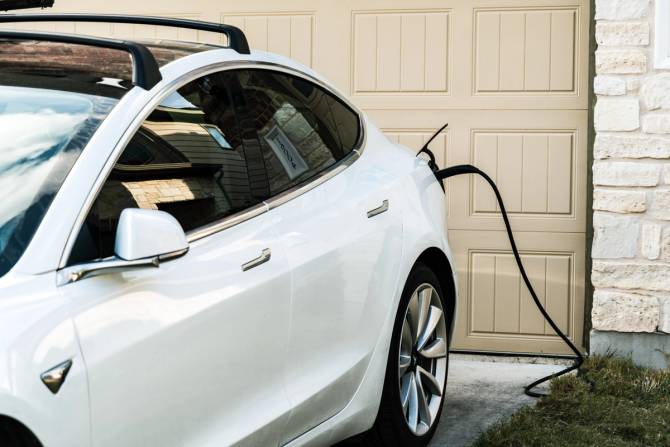
It could prove difficult to convince EV owners to sell energy back to electric utilities for a few cents at a time, but using a car battery as backup power for a home seems like a no-brainer. While pilot programs for vehicle-to-grid (V2G) technology are beginning to pop up in several states, vehicle-to-home (V2H) applications seem poised to gain traction more quickly. Zoom in: Montreal-based startup dcbel is one example of the companies leading the…charge…on this effort. It offers a faster at-home EV-charging system that is capable of discharging energy back to the home in the case of a power outage.
Dcbel’s AI analysis shows that in the vast majority of cases, it’s “more useful” to use energy stored in an EV battery in the home than to send it back to the grid, Marc-André Forget, CEO of dcbel, told Emerging Tech Brew. “[A] car is the second-largest investment for any family after [a] home. It sits on our driveway for 90% of the time, so we need to leverage that energy,” he said. Looking ahead...Dcbel is entering the US market this year. The company is already taking reservations from customers in California, Texas, and New York—states that have historically experienced blackouts or hurricane-related outages—for deliveries later in 2022, Forget said. Dcbel plans to be in all 50 states, as well as the UK and France, by late 2023. Keep reading about how EVs could be the backup generators of the future.—GD |
